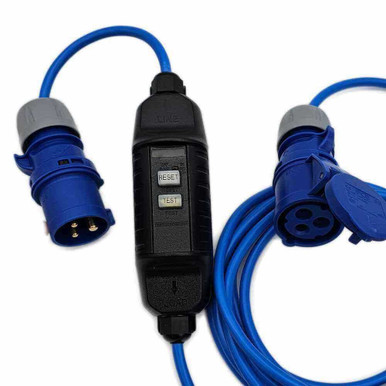
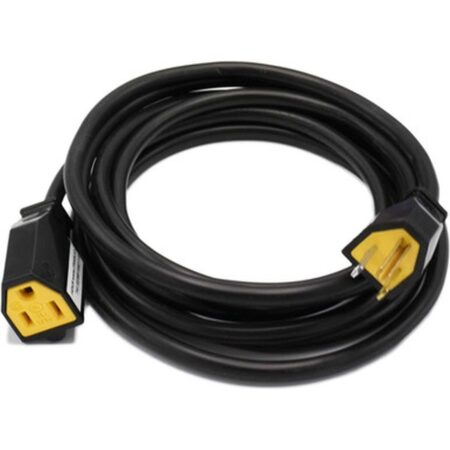
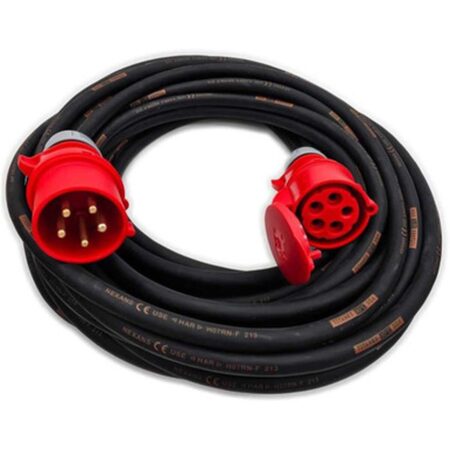
Workshop power leads connect tools, bench equipment or machines to a suitable electrical supply. A portable hand tool and a larger machine may need very different connections. This guide explains how to identify the supply and equipment details needed before choosing a lead.
Workshop power leads may serve a portable tool, a bench position or a machine with a dedicated industrial inlet. The useful starting point is the equipment specification and the available supply. A heavier-looking cable or a larger connector does not establish that a lead is suitable.
Read the equipment specification first
Record the machine or tool model, rated voltage, current and input connector. Include any instructions about the supply or permitted use of extension leads. HSE advises checking that equipment is suitable for the work, its surroundings and the electrical supply before it is used.
For an order containing several leads, make a separate line for each connection. “One for the compressor and one for the bench” is less useful than the equipment details, connector markings and measured route lengths.
Single-phase and three-phase requirements
Match the complete supply arrangement specified for the equipment. If a machine requires a three-phase supply, a connector adapter alone does not turn an ordinary single-phase outlet into that supply. Have an electrician confirm the installation where the requirement is uncertain.
See Industrial Plug Standards Explained for connector terminology. Photographs of markings on both the source outlet and machine inlet can help us identify a listed assembly without guessing from a plug’s appearance.
Choose a practical length and route
Measure the route the cable will actually follow, including the position of the outlet and equipment. Tell us if the tool moves between work areas or if the lead is intended for a particular workstation. This helps distinguish a repeatable assembly requirement from an installation that needs additional fixed outlets.
Keep trailing leads away from routes where they can be damaged or trip people. Workshop hazards can include moving equipment, heat and substances that require a more specific cable choice. Describe those conditions rather than assuming every industrial cable is suitable for every workshop.
Browse against your confirmed specification
- 16A extension leads: compare the connector and cable details for the intended equipment.
- 32A extension leads: choose only for a supply and load specified for that arrangement.
- Plugs and sockets: check the exact matching requirements before buying components.
- Distribution boxes: match the stated input, outputs and protection to the planned system.
For permanent wiring changes, involve the person responsible for the workshop’s electrical installation. For a custom removable cable assembly, send the confirmed specification through our contact form.
Checks before use
With equipment safely disconnected, look for damaged cable, broken plugs, exposed internal wiring and signs of overheating. Stop using suspect equipment and have it checked by a competent person. Do not rely on tape or repeated resetting of protection as a repair.
Inspection and testing arrangements should reflect the equipment and its working conditions. HSE’s maintenance guidance describes a risk-based approach; a workshop’s own maintenance plan should determine the appropriate checks.
Further guidance
For power away from the workshop, explore the generator guide or return to our power cable use cases hub.